WHAT IS ACUPUNCTURE?
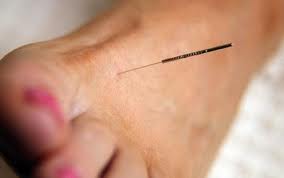
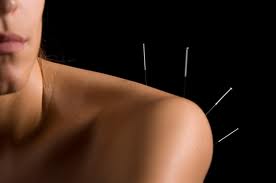
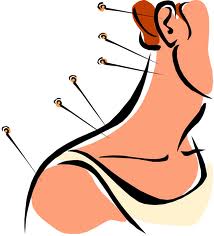
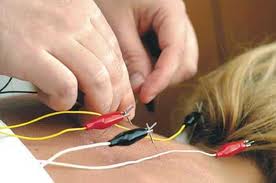
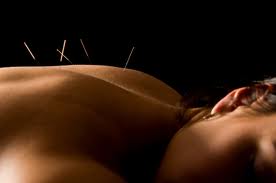
Acupuncture is the use of fine needles at specific points on the body surface to restore and maintain health. It is part of a system of medicine that has been practised in China for several thousand years which includes herbal medicine, dietary therapy and manipulation. Practitioners of Chinese medicine believe that the body produces energy from food and air and that this energy circulates in pathways to reach all parts and keep the body healthy. The pathways are called meridians and may be considered as electrical in nature. Modern science has shown that acupuncture stimulates the brain to produce natural relieving chemicals called endorphins. These assist the body to heal itself and give pain relief. The traditional view is that “Qi” flows around the body in channels. If the Qi flows freely then the body is in a healthy state. If there is a problem, energy stagnates. The stimulation of appropriate points frees this stagnation. People are increasingly seeking alternative means of help in an ever changing world.
Diagnosis in Acupuncture
Diagnosis in Acupuncture includes examination of the tongue for its structure, colour and coating and of the pulses at the wrists, which are felt for their quality, rhythm and strength. A detailed understanding is required of the patient’s symptoms, past medical and family history, lifestyle and diet, behaviour of all the systems in the body such as digestion and circulation, sleep patterns and emotional feelings. Having decided the cause or causes of the problem, the points and appropriate method of treatment are selected according to various rules governing the movement of Qi in the body. Factors causing low energy include badly balanced diet, pollution of air and water, stress and weak constitution.
Physiotherapy and Acupuncture
Chartered Physiotherapists take Acupuncture training at post-graduate level leading to a Licentiate in Acupuncture (Lic.Ac.) This course involves training in Traditional Chinese Medicine (TCM) theories. These theories are a complex and rational set of rules carefully developed through many centuries, by which the clients disharmony may be diagnosed and the appropriate treatment selected. The course also involves many supervised clinical hours of practice.
Types of conditions treated
It is often worth considering acupuncture for both recent and chronic conditions.
It provides safe and effective relief for a variety of illnesses ranging from arthritis, asthma and anxiety states, through headaches, migraine, menstrual disorders, to sinus problems, skin rashes, stomach problems and the vague states of exhaustion and poor health which often have no clear medical explanation.
Is it safe?
It is perfectly safe when practised with appropriate training. The needles used are all sterile and disposable. The fine needles are usually inserted a few millimetres and this gives rise to a sensation (Qi) which should only be a mild discomfort at the most.
Conclusion
Acupuncture can be used to treat a wide range of conditions and can therefore be a useful adjunct to physiotherapists.